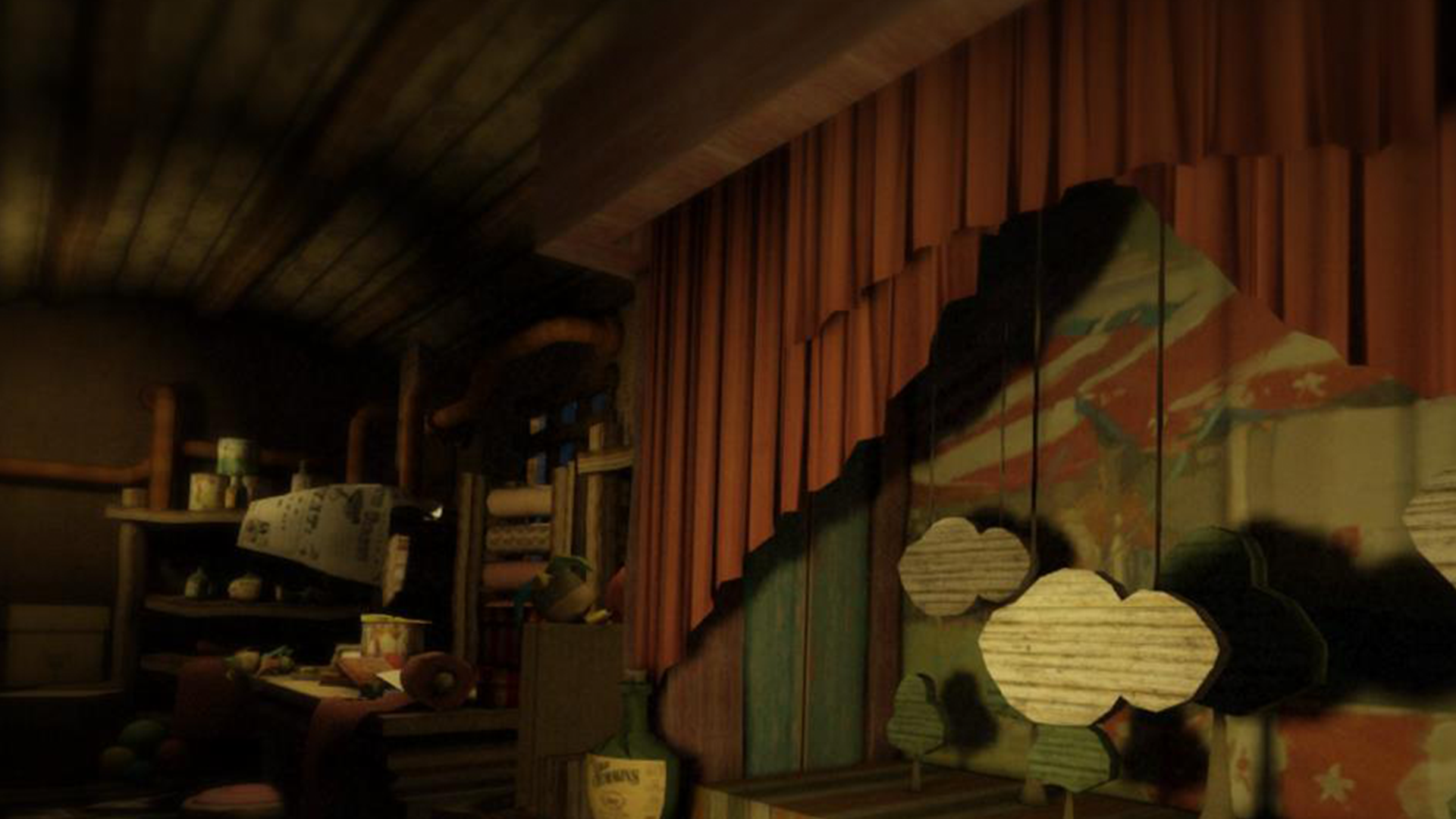
Loneliness
Shadow-puzzle platformer · SBGames 2013: 3rd in the Popular Vote + Best Short Paper
- RoleGame Designer · Level Designer · Programmer
- Year2013
- ForPUC capstone
Highlights
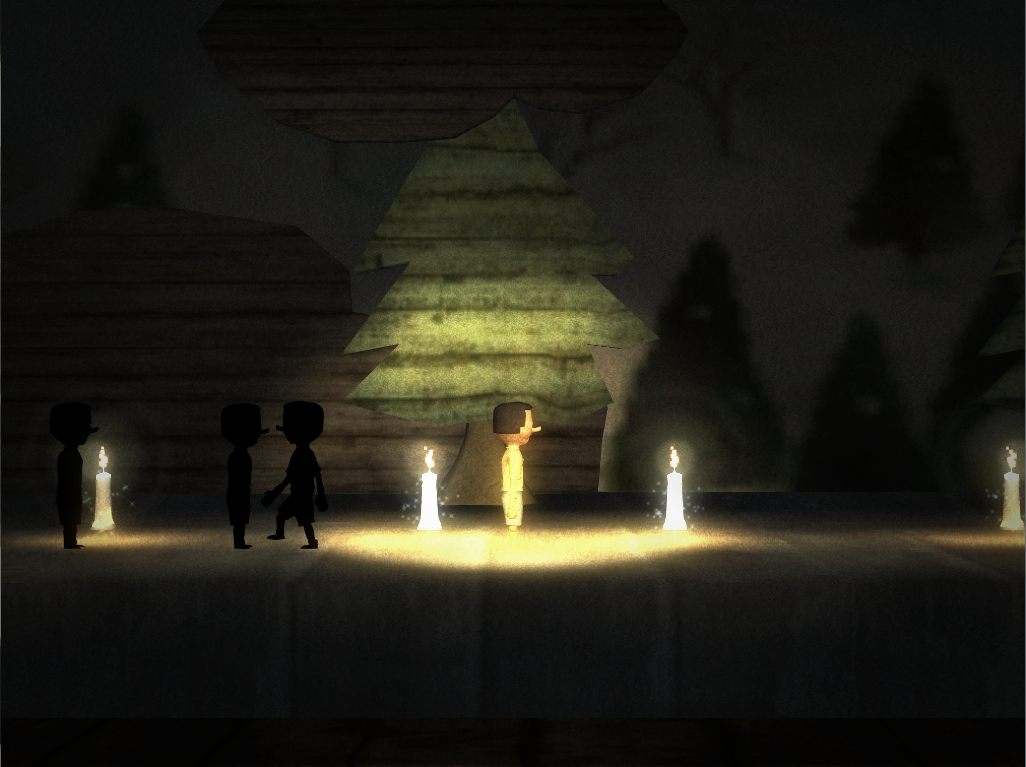
- Shadows replay your earlier moves, and the dark is the only thing that can hurt you: a personal theme expressed through mechanics, inspired by The Company of Myself
- Darkness as the only threat: when pushed to add enemies, I kept the design and committed to 18 stages instead of 3 in exchange
- 3rd place in SBGames 2013’s Popular Vote with only three tutorial levels, plus Best Short Paper in the Art & Design track
Overview
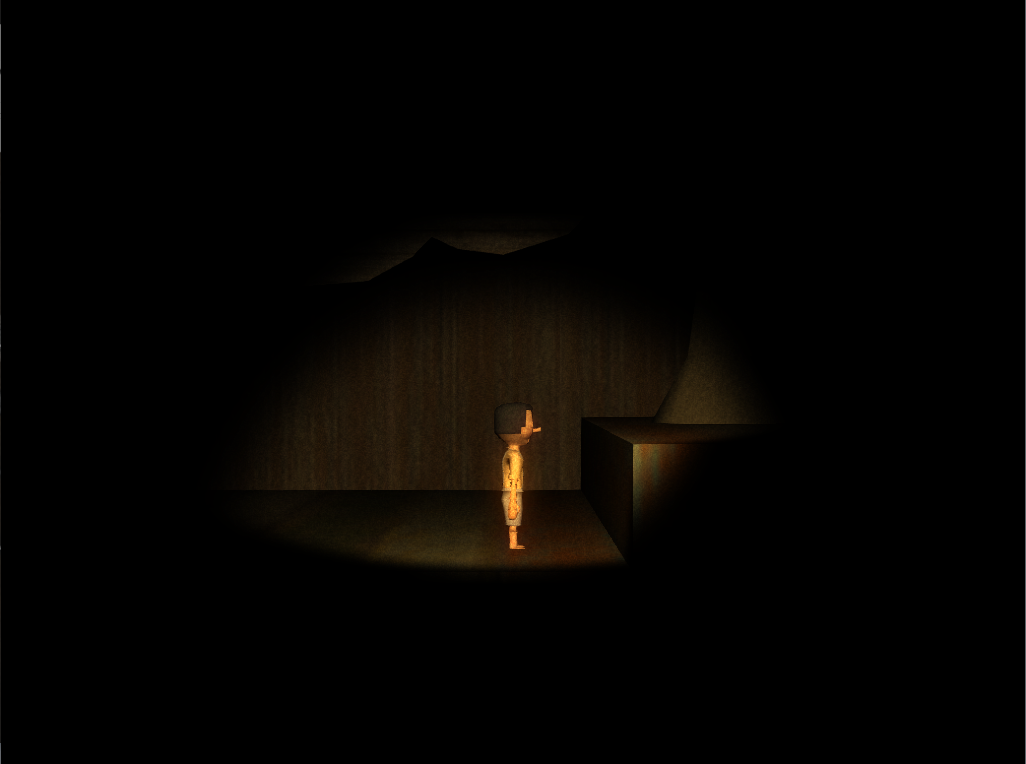
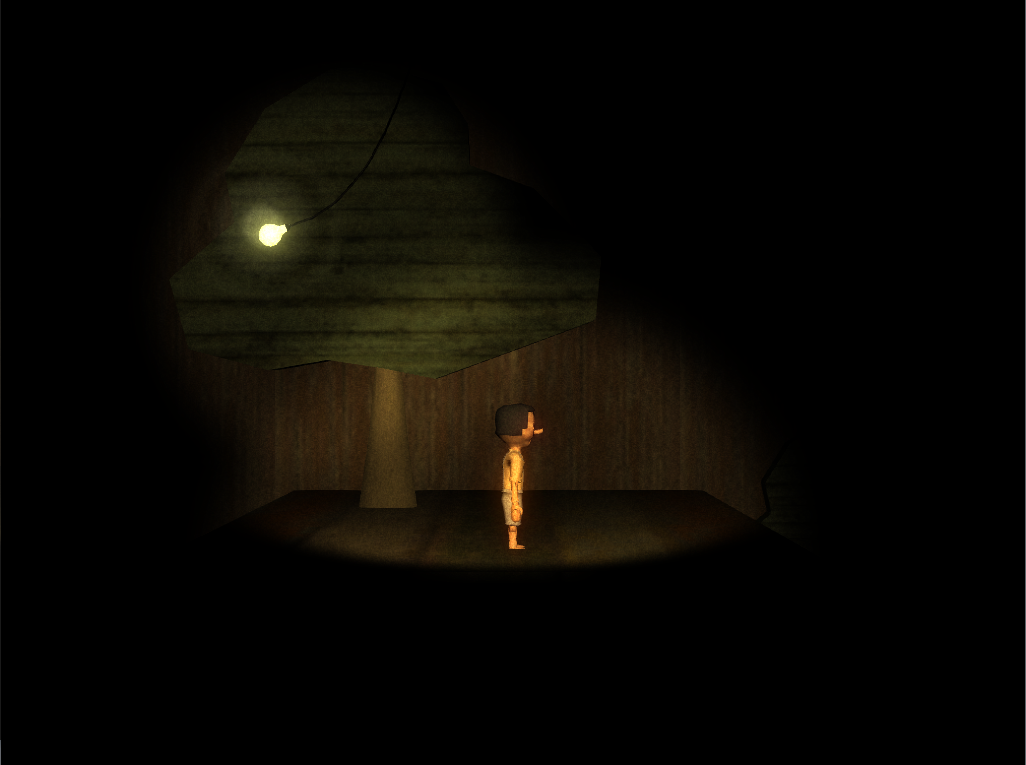
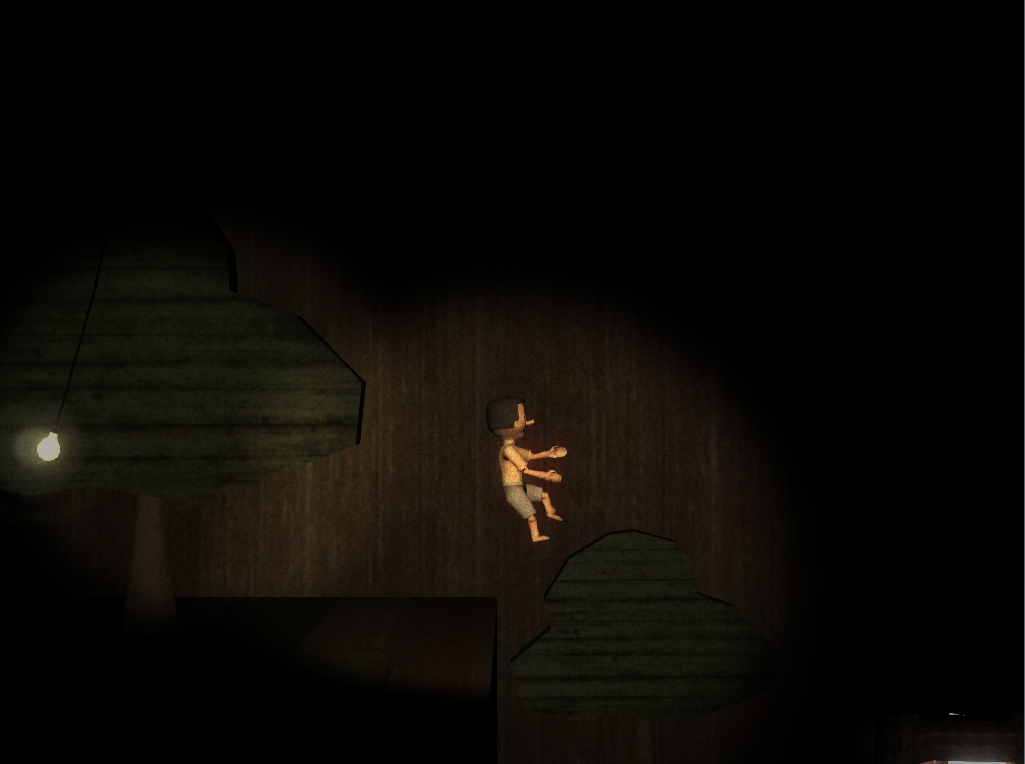
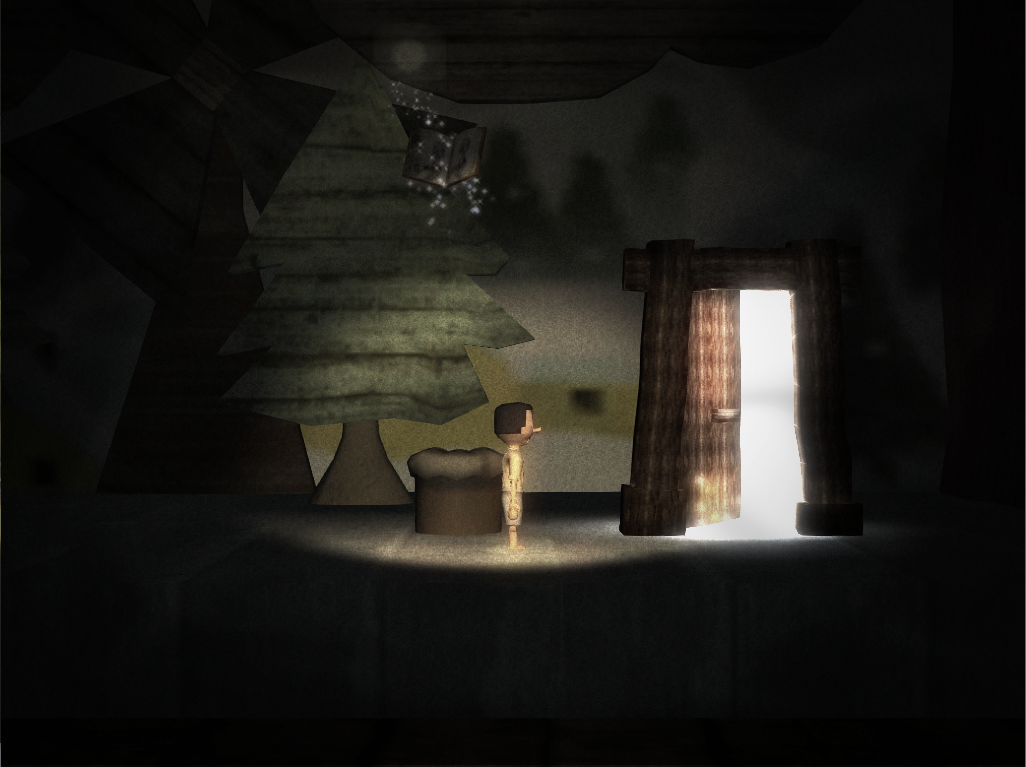
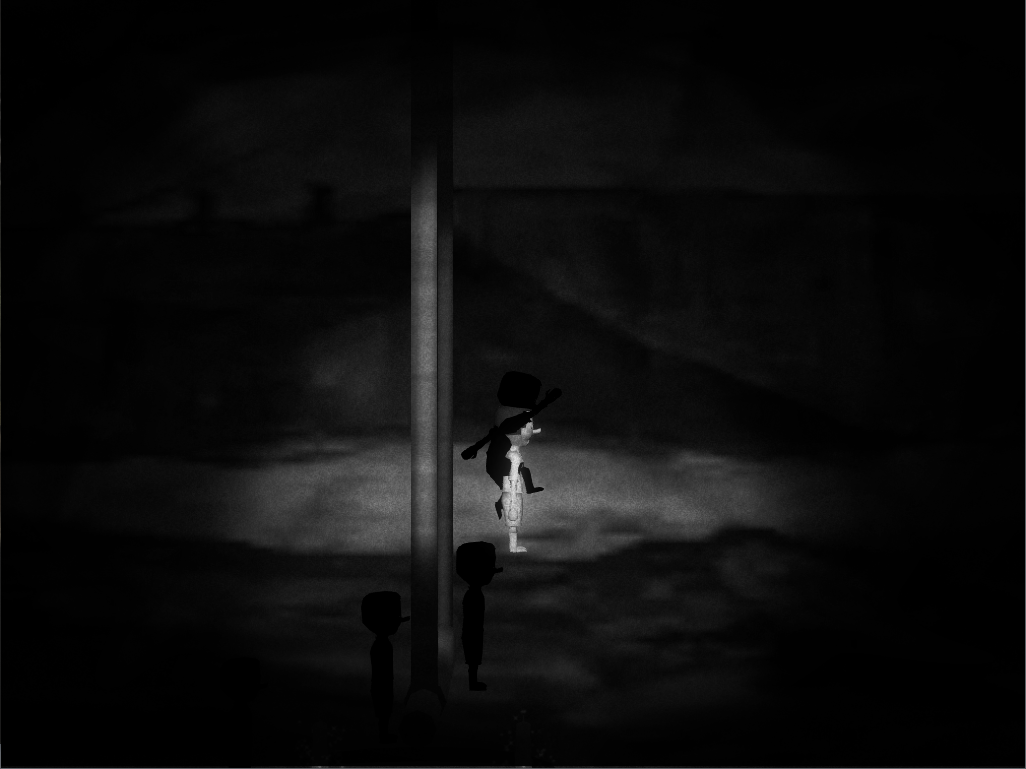
A puzzle platformer about loneliness, made as my college capstone at PUC. I wanted to work through something I had recently gone through, using a mechanic like the one in a game I love, The Company of Myself: shadows replay your earlier moves, and the dark is the only thing that can hurt you.
Awards
Even incomplete, with only three tutorial levels, the game took 3rd place in the Popular Vote at SBGames 2013, the only category open to unfinished games. A short paper on its theme, and on how the mechanics express it, won Best Short Paper in the Art & Design track (Trilha de Arte e Design). On the SBGames pages the game is listed under its Portuguese title, Solidão.
Aftermath
Shortly after we delivered the project, PlayTV and Indiana Produções featured it in their documentary about the history of video games in Brazil, alongside titles like GTA and Resident Evil. That was a huge honor.
Technical deep dive · postmortem
Design decisions I’d keep
Early on I was pushed to add enemies. The game had one, the dark, but nothing with health that could attack you. I kept that design and, in exchange, committed to delivering 18 stages instead of 3. That was the right call.
What I’d do differently
After SBGames accepted the game and it won, a lot of feedback came in, and I changed things I shouldn’t have, including rewriting the core mechanic late in the project.
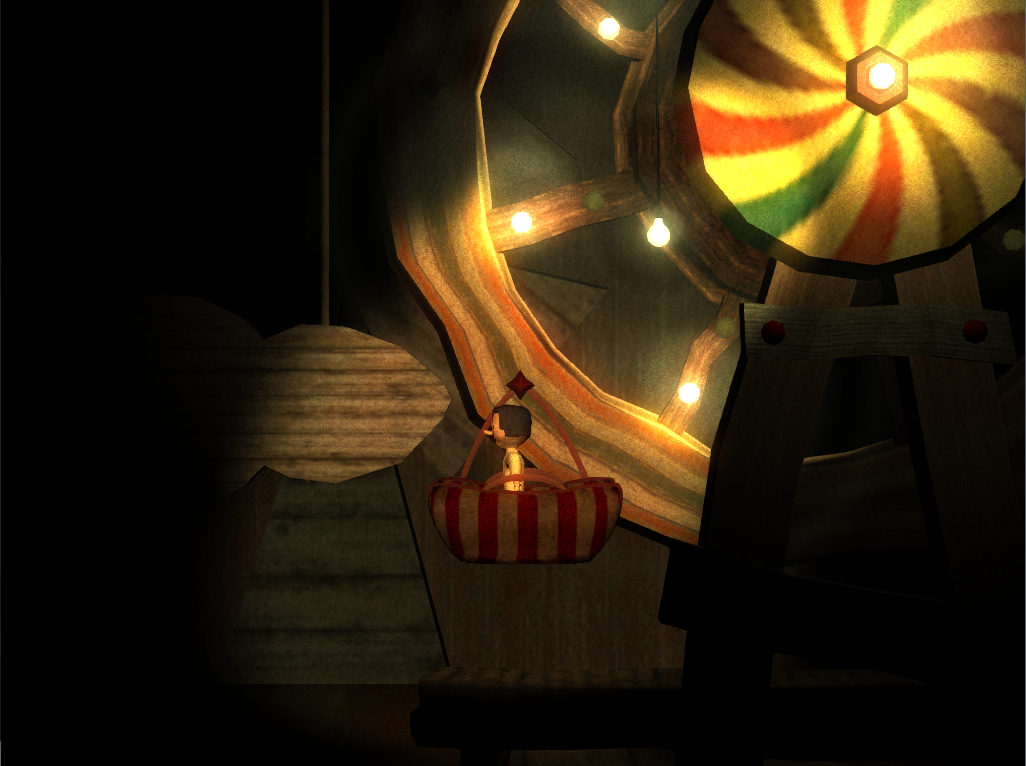
The original shadow system recorded frame data. Its weakness was that a big frame drop (10+ frames) could desync the shadows from the spots they should end up on. Near the end of the project I replaced it with a state machine that saved only the player’s inputs and snapped each shadow into place before moving on to its next command. Because it was rushed, the state machine missed cases, and every change made it more fragile. A late addition, the Ferris wheel, used a double-trigger platform solution that conflicted with the shadows: if the player or a shadow was on the wheel, the other couldn’t get onto the same floor.
The final version is beautiful but harder to play than the early builds. Lesson learned: plan, then execute. If it’s too late for a big change, accept the constraint, or even turn a bug into a feature, rather than refactoring the core without a plan.
I’ve since redesigned the game, and I plan to come back to it and do it justice someday.
Images

Links
- SBGames 2013 placements (search for Solidão) ↗
- Short paper (Portuguese) ↗
- Best Short Paper certificate ↗
Like this project? Get in touch or connect on LinkedIn.